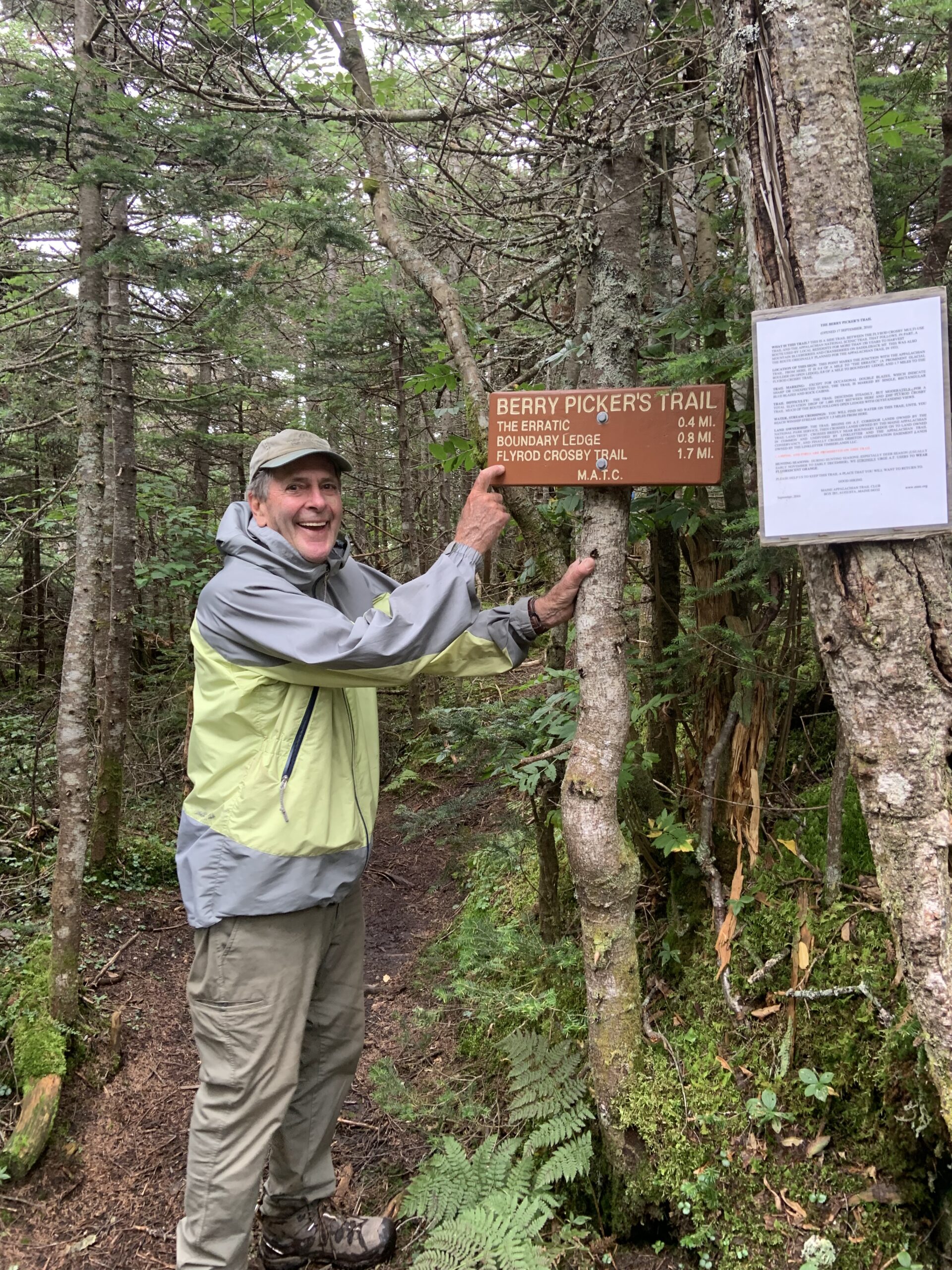
From Founding Visionary to Board President
As founding board member and current board president of High Peaks Alliance, Lloyd Griscom has spent decades helping hunters, hikers, ATV riders, loggers, and birders find common ground in one of Maine’s wildest landscapes. As he prepares to retire from the presidency at the end of 2025 and pass the role to incoming board president John Rogers, a current board member, Lloyd reflects on the relationships, projects, and wild places that have defined his time in the High Peaks, and the shared work he’s proud to hand forward.
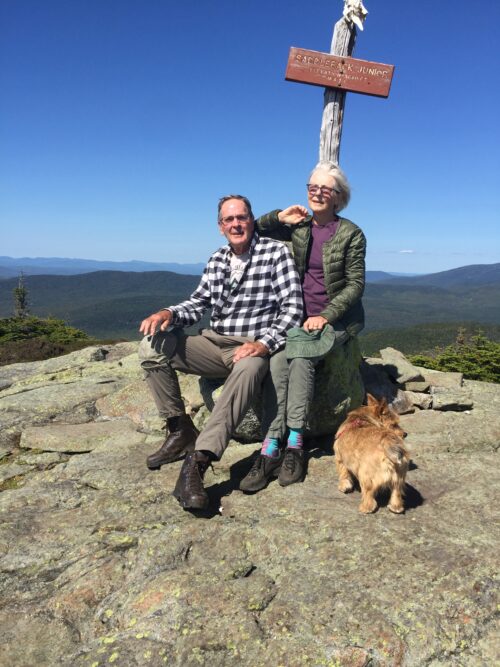
From Local Voice to Lasting Alliance
What originally inspired you to start the High Peaks Alliance?
The inspiration was to articulate and advocate for a truly local voice in land conservation in Maine’s High Peaks. The idea was that people who live, work, and recreate here should help decide how this landscape is cared for and kept open.
What were the biggest challenges in those early days?
One of the hardest things was a lack of trust, especially between motorized and non‑motorized users. People weren’t sure the others had their interests at heart. Over time, we learned that if you sit down, listen, and work through a hard problem together, those labels fall away, and you see each other as human beings who can help one another.
Can you share a project that really changed things for HPA?
Helping secure a legal ATV crossing of the Appalachian Trail at Eddy Pond was a turning point. It meant getting the ATV community and Appalachian Trail partners to work together on a solution that respected everyone’s concerns. That 100‑foot strip that allowed a crossing wasn’t simple to achieve, but it showed that High Peaks Alliance could turn conflict into collaboration.
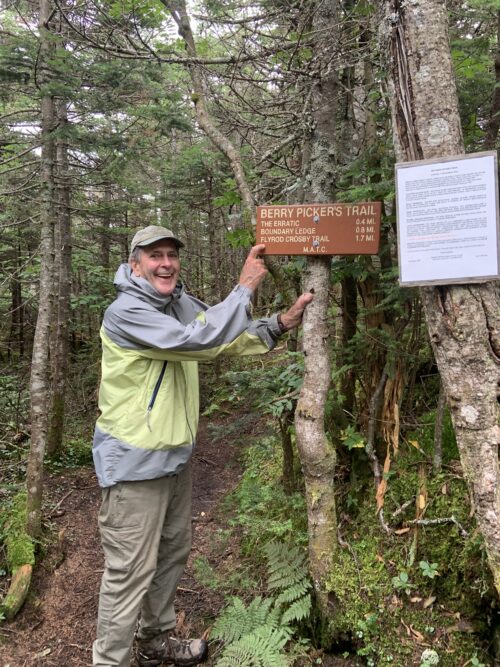
Rooted in Responsibility
What accomplishments are you most proud of?
The Berry Picker side trail to the Appalachian Trail is high on the list. It’s not easy to get an official side trail approved, and I’d been told there was no way it would make it into the Linkletter easement. Seeing it become a reality and now connecting with the Fly Rod Crosby Trail network was thrilling. The Perham Stream Birding Trail and the Linkletter easement itself are also milestones that showed what a small, determined group can do.
How has the High Peaks region changed during your lifetime?
One of the most striking changes was when Shiloh Pond became a community forest accepted by the Town of Kingfield. That went beyond what Roger Lambert and I first imagined; we never knew how to crack the code outside our immediate area. Moving from a purely volunteer effort to having great staff capacity created a real sense of future accomplishment and well‑being for the whole region. Brent’s Kingfield success showed HPA that we could become a land trust, which soon followed with the Perham Stream Birding Trail.
How has your personal connection and family history here shaped your leadership?
My uncle and aunt had deep roots in this landscape, and that history gives me a strong sense of responsibility–for every privilege there is a responsibility. But it isn’t about legacy or credit: for me, the reward is a good result in a place where we’re all interdependent. Nature isn’t something outside of us; it’s something we’re part of, and that understanding makes caring for the High Peaks feel integral, not optional.
What key partnerships or collaborations have been game changers?
The relationship with the Maine Appalachian Trail Land Trust has been fundamental. Sharing board members, myself and Pete McKinley, and research helped define the roughly 230,000‑acre High Peaks area with no north–south roads and the Appalachian Trail right through its heart. Add in local leaders like Roger Lambert and partners from towns, clubs, and land trusts, and you see how a “big tent” of hunters, ATV riders, snowmobilers, and hikers grew into the High Peaks Alliance.
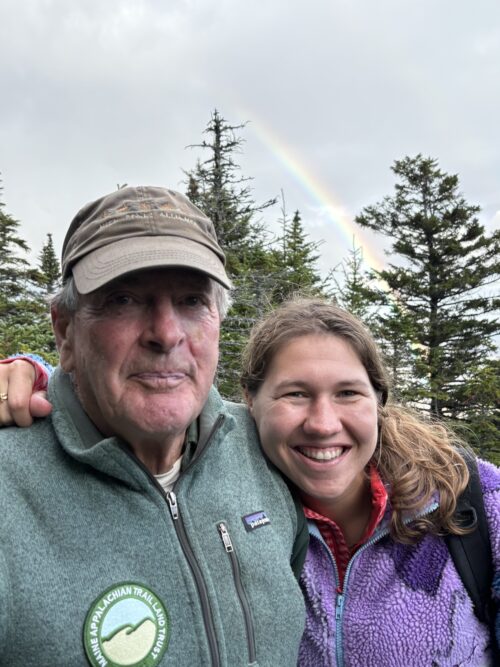
Where Integrity Builds Connection
How has HPA succeeded in bringing together such diverse users?
We started by tackling real grievances and doing hard work together. When ATV riders felt shut out of a crossing, we didn’t take sides; we helped both communities find a practical solution that honored their agreements and values. That kind of integrity, keeping your word once a compromise is reached, has been essential to building trust across very different user groups.
What do you see as the biggest conservation opportunities ahead?
The people involved with High Peaks Alliance are good problem‑solvers, but they’re also opportunity recognizers. The High Peaks sit in the middle of an Appalachian backcountry corridor that stretches from Maine toward Georgia. Here, plants and wildlife can move up and down in elevation and along the ridgeline. Recognizing this region as a centerpiece of that larger backcountry “realm” is a huge opportunity for biodiversity, climate resilience, and people who need a “nature fix” away from daily life.
Is there a moment when you felt the High Peaks community truly shine?
The solar eclipse at the Perham Stream Birding Trail stands out. There was a whole crowd of people, locals and visitors, standing together in quiet awe, with no one telling anyone what to do. For a moment, people let their guard down and shared pure joy instead of fear. It felt like something beyond the ordinary, a reminder of how this landscape brings us together.
Carrying the High Peaks Legacy Forward
Lloyd Griscom’s steady, understated leadership helped transform conflict into cooperation and put Maine’s High Peaks on the map as a wild, connected, and welcoming landscape.
As he steps down as board president and entrusts that role to John Rogers at the end of 2025, Lloyd’s legacy lives on in the partnerships he nurtured, the trails and easements he helped secure, and the culture of moving “slowly in the right direction” that now guides High Peaks Alliance into its next chapter.