A Trail Rooted in Heritage
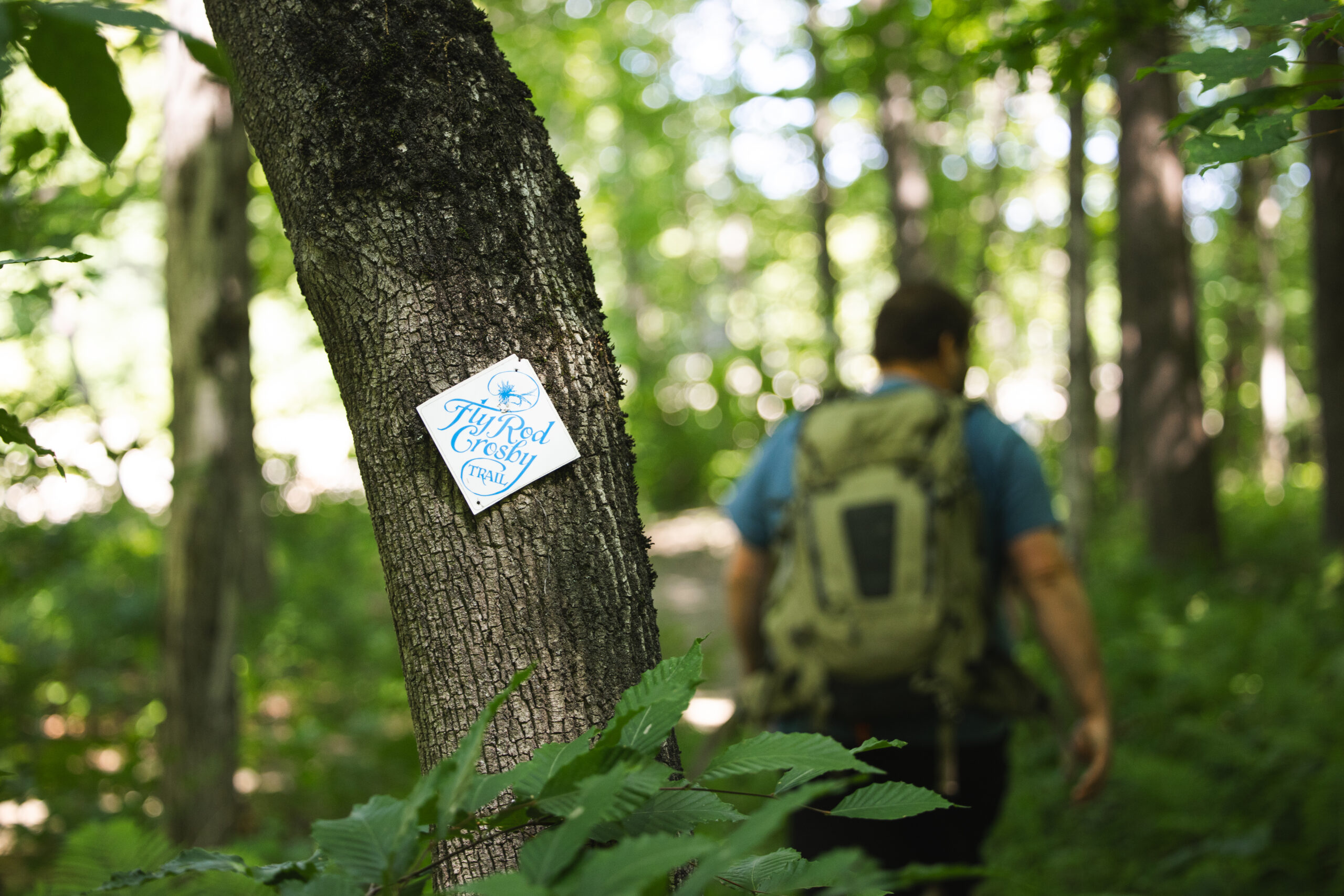
The High Peaks Alliance is making a major change to its long-distance hiking trail, the Fly Rod Crosby Trail. After a lengthy analysis of trail use, we’ve decided to highlight and invest in the three most popular sections while closing the rest.
This is a meaningful decision for our organization and the region. The trail was opened in 2011 to honor the legacy of Maine’s first registered guide, Cornelia “Fly Rod” Crosby (1854–1946), who devoted much of her life to promoting and protecting the region’s wild areas.
What Will Remain Open
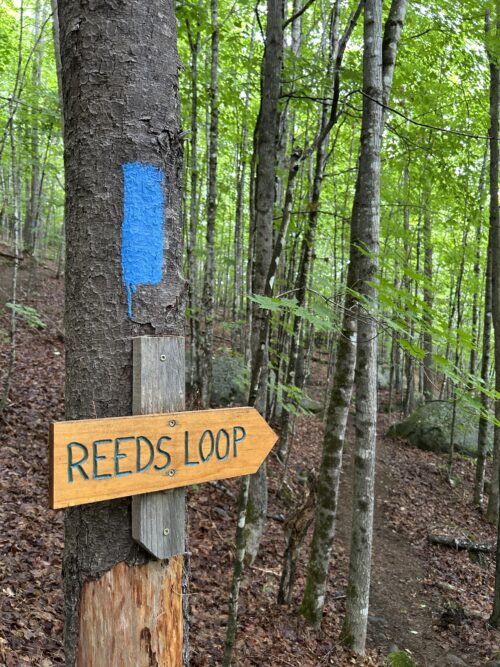
In our analysis, we found that long sections of the trail—many of them on motorized trails and roads—were not being used by hikers. Meanwhile, three footpaths are popular with visitors: Reed’s Loop, the Sandy River Railroad Trail, and the Saddleback Spur Trail to Midway and Rock Ponds.
Rather than spending resources to maintain underused and less desirable sections of trail, we will focus our funds and staff time on ensuring the public has an enjoyable experience at these three beautiful areas:
- The Sandy River Railroad Trail follows a quiet stretch of the Sandy River before looping back along the historic narrow-gauge railroad track.
- Reed’s Loop winds through a northern hardwood forest to clear pools on Orbeton Stream.
- The Saddleback Spur Trail provides access to Midway and Rock Ponds while providing a loop opportunity for Saddleback Mountain.
Together, these paths will be known as the Fly Rod Crosby Trails. Crosby remains a vital figure for the High Peaks region. A revered outdoorswoman respected for her hunting, fishing, hiking, and paddling abilities, she understood how important spending time in the outdoors is to our health—and how vital it is to preserve intact ecosystems for the health of the region. She used her fame to promote Maine’s outdoors to visitors, as well as to advocate for stricter fish and game laws and the creation of the Maine Registered Guide program. High Peaks Alliance will always be proud to align our name and values with hers.
“Fly Rod promoted conservation, access, guiding, and Maine’s heritage,” said Brent West, executive director of High Peaks Alliance. “She was a role model for taking responsibility for our natural resources and heritage—and working to keep these places wild and open.”
West added that he is excited about the future of the Fly Rod Crosby Trails as more people discover and enjoy them. “High Peaks Alliance remains focused on being the best possible stewards of our trails and public access—while continuing to earn and honor the support of our community,” he said. “Guided by the extensive data in our State of the High Peaks Reports, we will always prioritize what matters most to our supporters and the region as a whole.”
This summer, High Peaks is excited to open a new riverside trail in Strong and, once conserved, to improve the trails at Mosher Hill Falls.
Closing the Rest
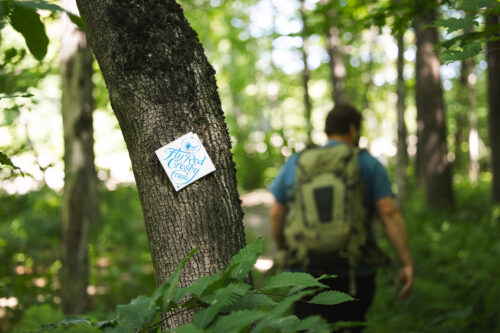
In the weeks ahead, we will begin to remove painted blazes that are visible at trail junctures. Metal blazes will also be removed and donated to volunteers. At junctions with closed sections, we’ll post signs informing hikers of closures. Using deadfall and loose natural debris, we’ll conceal abandoned sections of trail. Kiosks will contain information on closed sections of the trail for at least a year and have maps detailing the sections of the trail that remain open.
All landowners who opened their land to hikers will be notified about the trail closings. If you are an affected landowner, please contact us if you have specific directions for your section of the trail. All the volunteers who helped maintain the FRCT are welcome to take responsibility for other nearby trails — or future trails. We will have a special way to thank all the volunteers for their years of service to the FRCT.